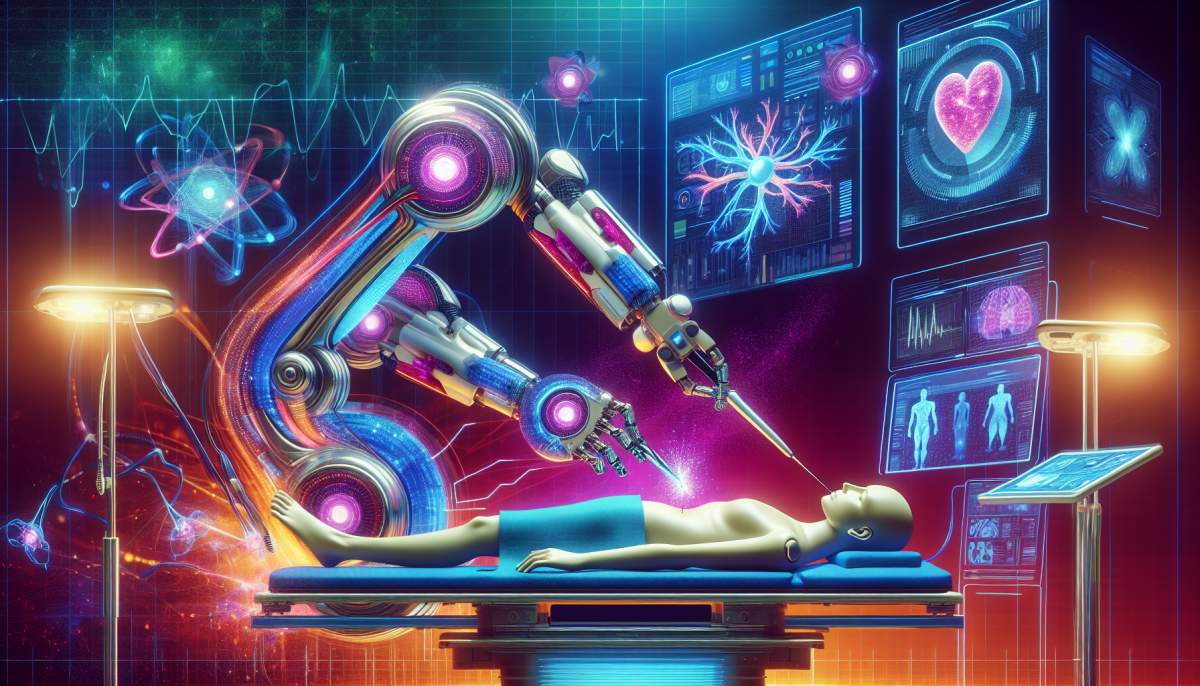
AI is changing the game in patient care in some pretty amazing ways. Think about how often we wait for test results or struggle with managing appointments. AI can step in to streamline these processes, making life a lot easier for both patients and healthcare providers. With advanced algorithms, AI can analyze data quickly, helping doctors make faster, smarter decisions regarding treatment.
One area where AI shines is in diagnostics. Imagine a world where AI can help detect diseases earlier than traditional methods. With its ability to sift through thousands of medical images and patient records in seconds, AI can spot patterns or warning signs that might go unnoticed. This not only boosts accuracy but also gives patients a better chance at successful treatment.
AI also supports personalized medicine. It can analyze individual patient data, which means treatments can be tailored specifically for you rather than a one-size-fits-all approach. This kind of precision helps doctors choose the best therapies for your unique profile, increasing the likelihood of better outcomes and minimizing side effects.
Additionally, AI-driven chatbots are transforming communication. Patients can get quick answers to their questions anytime, anywhere. This reduces the burden on healthcare staff and empowers patients to manage their health effectively. With AI, you can feel a bit more in control of your healthcare journey, and that’s a big win for everyone.
Streamlining Diagnosis and Treatment
AI technology is changing how doctors diagnose and treat patients. Imagine walking into a doctor’s office, and instead of the usual lengthy wait time filled with tests, the computer kicks in and helps the physician identify what’s wrong in no time. AI can analyze a patient’s symptoms and medical history in minutes, which means quicker answers and less stress.
One of the coolest things about AI is its ability to sift through massive amounts of data. It can look at thousands of cases and pull patterns that even seasoned doctors might miss. This means more accurate diagnoses. For conditions that can be tricky to diagnose, like certain cancers or rare diseases, AI can be a game-changer. It helps spot these issues sooner rather than later, which is really important for effective treatment.
Treatment plans are also getting a boost from AI. Imagine a system that can recommend personalized treatment options based on your unique medical history and DNA. It’s like having a health coach that knows exactly what you need to get better. This personalized approach not only improves outcomes but also reduces unwanted side effects from treatments that may not be right for you.
Beyond the doctor's office, AI tools are making it easier to manage health at home too. With apps chiming in with reminders for medications and check-ups, patients can take control of their health. AI’s reach into telemedicine also means you can get expert advice without leaving your house. It’s all about making healthcare smoother and more accessible for everyone.
Enhancing Medical Research Efficiency
Medical research can feel like a giant maze, right? It’s complicated, time-consuming, and often full of dead ends. But with AI technology stepping in, this landscape is changing fast. Imagine tools that can sift through mountains of data in no time, helping researchers find the insights they need without the endless hours of manual work.
AI can analyze patient records, clinical trials, and even genetic data in a fraction of the time it takes humans. It’s like having a super-smart assistant that’s always ready to help. For example, algorithms can identify patterns and correlations that might take researchers weeks to spot. This means more time for the creative thinking that leads to breakthroughs.
Then there are AI-powered predictive analytics. This stuff is game-changing! By crunching existing data, these tools can forecast outcomes and suggest the most promising avenues for research. This means researchers can prioritize their efforts and invest in projects that have the best chance of success. Everyday challenges like patient recruitment and trial monitoring get easier when you have smart tools on your side.
Finally, let’s not forget about collaboration. AI can facilitate communication between diverse teams, making it easier to share findings and work together. With everyone on the same page, research moves faster. Instead of a slow, cumbersome process, you get a streamlined system that keeps the focus on what really matters: improving patient care.
Improving Patient Engagement and Experience
AI technology is changing the game when it comes to patient engagement and experience. Imagine walking into a healthcare facility that knows you by name and has your complete medical history ready to go. This kind of smooth interaction isn’t a far-off dream anymore; it’s happening right now, thanks to AI.
AI tools can help healthcare providers offer personalized experiences. They analyze patient data and preferences to tailor services and recommendations. This means less time waiting for appointments and more personalized healthcare. Who doesn’t love feeling like a priority?
Chatbots and virtual assistants are also part of the fun. They’re available 24/7 to answer questions, schedule appointments, and send reminders. This makes it super easy for patients to get the information they need without having to wait on hold or deal with staff during busy hours.
Moreover, AI can track patient progress and send alerts if something seems off. If you’re managing a chronic condition, these tools can give you and your healthcare team real-time updates. It’s like having a healthcare buddy who always has your back.
With these advancements, patient engagement isn’t just a buzzword; it’s a reality that improves health outcomes. When patients feel informed and involved, it makes a huge difference in their overall experience. AI is making healthcare smarter and much more user-friendly!