AI is changing the game in so many fields. From healthcare to finance, it’s making our lives easier and more efficient. But with great power comes great responsibility. Understanding how AI works is key to grappling with its impact on society.
At its core, AI uses data to learn and make decisions. It looks at patterns in the data, predicts outcomes, and even automates tasks. This can lead to incredible breakthroughs, like diagnosing diseases early or streamlining business operations. But it can also raise some serious ethical questions.
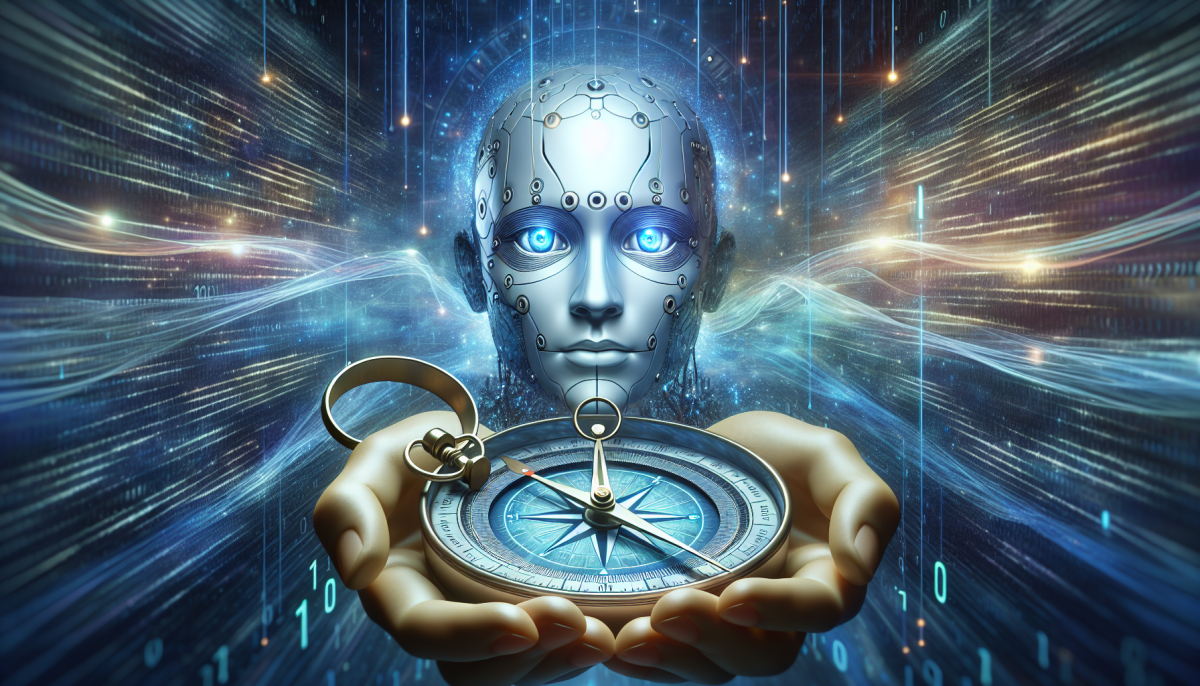
As we navigate this complex world of AI ethics, staying informed helps us make better choices. It’s all about finding the balance between innovation and responsibility. By understanding the implications, we can help ensure AI serves everyone fairly and positively.
Key Principles of AI Ethics
AI ethics is all about ensuring that technology benefits everyone and operates fairly. One key principle is transparency. It’s important that people understand how AI systems make decisions. When users know what’s happening behind the scenes, they can trust these systems more. Think about it—if you use a recommendation system, wouldn’t you want to know why it suggests certain products?
Another crucial principle is fairness. AI should treat everyone equally, regardless of race, gender, or background. It’s vital to eliminate bias in AI algorithms to avoid reinforcing stereotypes or discrimination. This means developers need to continually check their data and models for any unfair practices. Basically, AI should promote equality rather than inequality.
Accountability is also high on the list. If an AI system does something wrong, someone needs to take responsibility. This principle ensures that companies are held accountable for the outcomes their AI creates. It encourages businesses to act ethically, knowing that they’re on the hook for any negative results from their systems.
Finally, privacy is a biggie. People deserve to have their data protected, so AI must respect privacy rights. This means limiting how personal information is collected and used. Organizations should be clear about data usage and give users control over their information. After all, no one wants their private data mishandled.
Challenges We Face in AI Ethics
As we dive into AI ethics, we quickly bump into a few tricky challenges. One biggie is figuring out how to make sure AI algorithms treat everyone fairly. With the data that feeds these systems, there's a real risk of bias creeping in. If the data set isn’t diverse or reflects past prejudices, the AI can end up making some pretty unfair decisions.
Privacy is another hot topic in the AI ethics conversation. As AI collects and analyzes tons of data, we have to wonder: how much of your personal info is at stake? People want to feel secure that their data isn’t being misused or exposed. Striking that balance between innovation and privacy protection is tough but super necessary.
Then, there's the challenge of accountability. When AI systems make mistakes, who’s responsible? Is it the creators, the users, or the AI itself? This question gets even murkier when we consider autonomous systems, like self-driving cars. How do we handle blame when something goes wrong?
Lastly, we can't ignore the ethical implications of jobs and employment. With AI taking over some tasks, there's a real concern about job displacement. How do we ensure that tech advances don’t leave people behind? It's about finding ways to adapt and retrain the workforce, so we can all benefit from these innovations.
Real-World Examples of Ethical AI Issues
When we talk about ethical issues in AI, we can't ignore some real-world examples that have popped up over the years. These situations really get you thinking about how we use AI and the impacts it can have on people’s lives.
Take facial recognition technology. Sounds cool, right? But it’s had its fair share of problems. Some studies show that these systems aren't as accurate for people with darker skin tones. This can lead to false identifications and unfair treatment. Imagine being in a situation where you’re wrongly accused of something just because the tech got it wrong. It raises serious questions about fairness and equality.
Then there’s the world of hiring algorithms. Many companies now use AI to sift through resumes and find the best candidates. But what happens when the AI picks up on biased patterns from past hiring decisions? This can unfairly disadvantage certain groups of people, perpetuating existing inequalities. It’s frustrating to think that technology, which should help us, might actually deepen the divides in hiring practices.
Lastly, let’s talk about social media algorithms. These AI systems determine what we see every day. They often promote sensational content because it gets more clicks, which can spread misinformation and create echo chambers. This can easily lead to polarized views and intensify social issues. It’s a reminder that the ethics of AI aren’t just about being smart; they’re about being responsible, too.